
History of the Shriners Fez
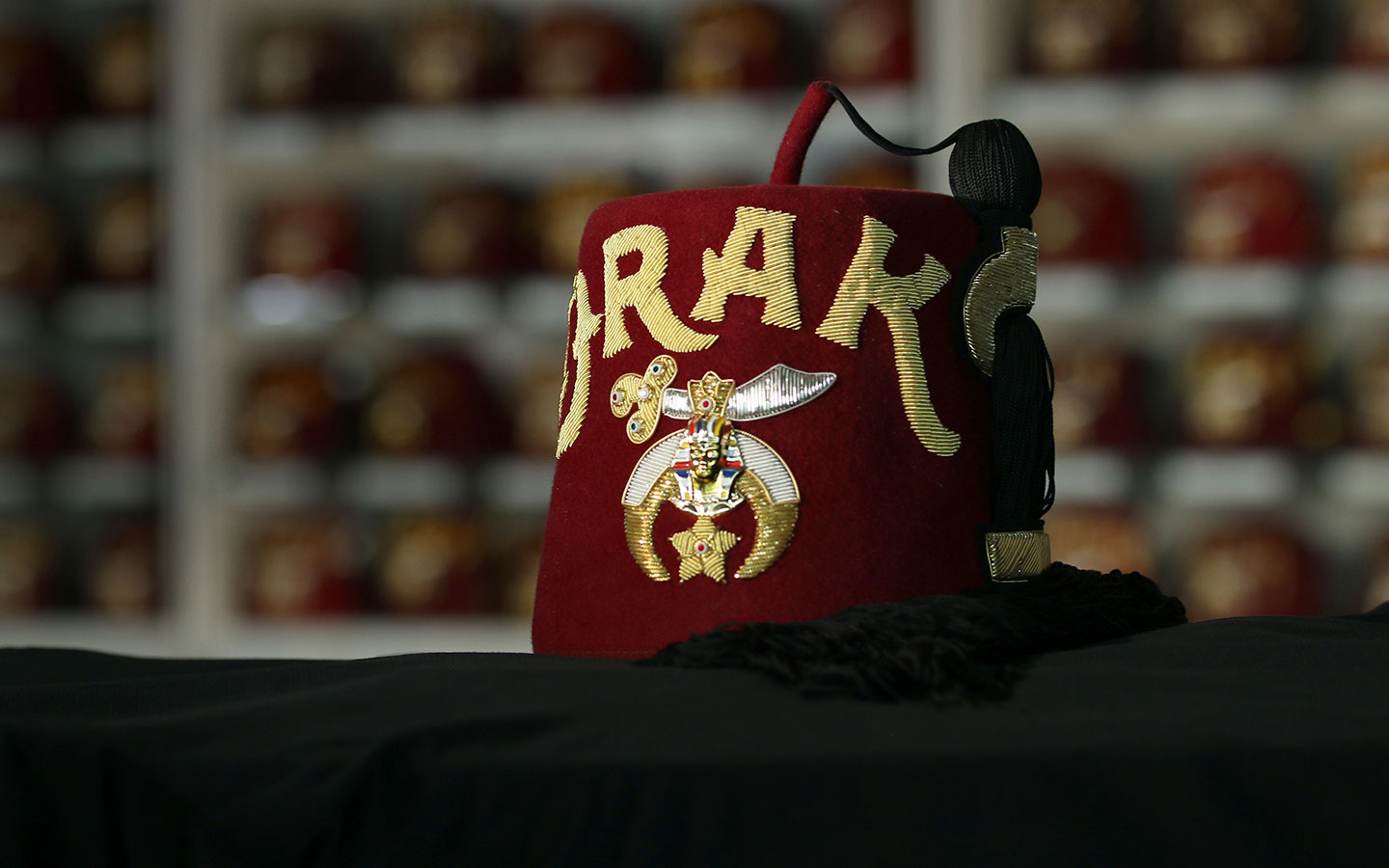
The red fez with a black tassel is the Shriners' most recognizable and distinctive symbol, officially adopted as the fraternity's headgear in 1872.
Origin of the Name
The hat derives its name from the place where it was first manufactured—the holy city of Fez, Morocco. Some historians trace the headgear, or tarboosh, back as far as A.D. 980, though its name appears later in Arabic literature.
Chosen for a Theme
The fez was specifically chosen as part of the Shrine’s Arabic (Near-Eastern) theme. This theme, which gives rise to the color and pageantry of the Shrine, was inspired by co-founder William J. "Billy" Florence.
- The Inspiration: Florence, an actor, attended a party in Marseilles, France, hosted by an Arabian diplomat. The exotic style and atmosphere led him to suggest a Near-Eastern theme for the new fraternity he and Dr. Walter M. Fleming were planning.
- The Adoption: Dr. Walter M. Fleming, using his knowledge of fraternal rituals, developed the theme further. He drafted the ritual, designed the emblem and costumes, and declared that members would wear the red fez as part of the new fraternity, the Ancient Arabic Order of the Nobles of the Mystic Shrine (A.A.O.N.M.S.).
A Symbol of Membership
Today, the fez is far more than just a hat; it is a profound outward symbol of a man's membership in the fraternity.
- It is worn at official Shriners events, parades, and outings.
- Customization: Each fez is custom-made and can be personalized to show allegiance to the wearer's local Temple (chapter), as well as any special roles, memberships in Shrine clubs, or offices held within the organization.
- The Emblem: The front typically features the embroidered insignia of the Shrine: the crescent and scimitar. These symbols reflect concepts like protection, guidance, and the foundation of the fraternity.
In essence, the Shriners' fez serves as both a tie to the fraternity's founding theme and a clear, visible badge of honor, fellowship, and commitment to the organization's charitable work.